A confrontation over refugee assembly seats, governance reforms and public protest has triggered arrests, internet restrictions and widespread disruption across the region.
MUZAFFARABAD, Pakistan-administered Kashmir. An internet blackout, mass arrests, deadly clashes, and a region-wide shutdown have brought large parts of Pakistan-administered Kashmir to a standstill, plunging the disputed Himalayan territory into its most serious political crisis in years.
Since June 9, markets have remained shuttered, transport networks disrupted and security forces deployed across major urban centres as authorities move against the Jammu Kashmir Joint Awami Action Committee (JAAC), an umbrella alliance of local civil society and trade groups whose demands have placed them at the center of the region’s current political standoff.
Constitutional Dispute at the Heart of the Crisis
The security measures coincided with a legal challenge brought by the government of Azad Jammu and Kashmir (AJK), as the territory is officially known in Pakistan, concerning one of JAAC’s key demands: the abolition of 12 legislative assembly seats reserved for refugees who migrated from Indian-administered Kashmir and are now settled in different parts of Pakistan.
On June 6, the Supreme Court of AJK heard arguments from the government, legal experts appointed to assist the court and other interested parties. A day later, the court concluded that Article 22 of the territory’s constitution protects the refugee seats and that any change to their status would require a constitutional amendment through the elected legislative assembly.
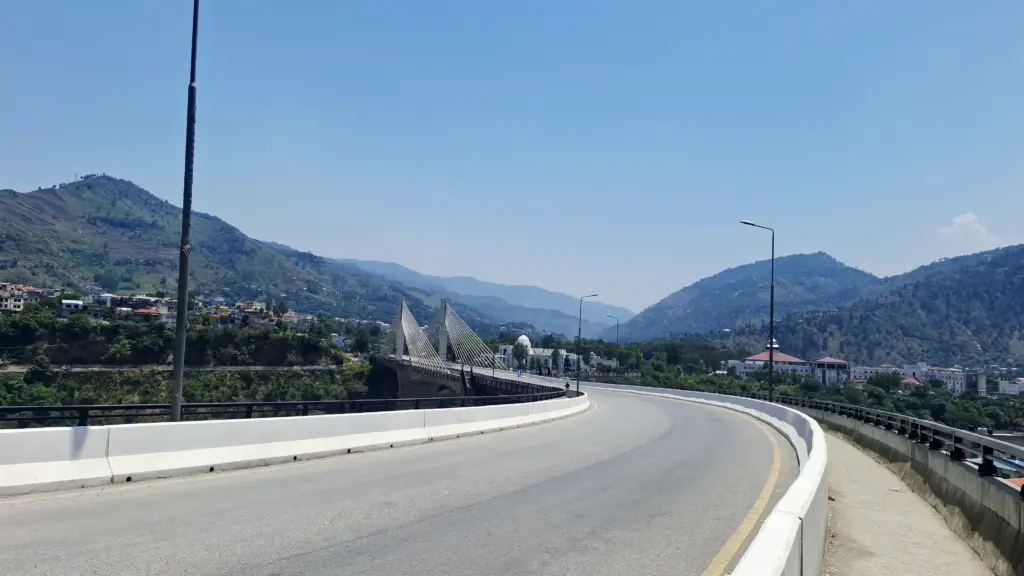
Photo: The Earthquake Memorial Bridge (Naluchi Bridge) spanning the Jhelum River in Muzaffarabad. The Supreme Court of AJK and the Legislative Assembly complexes are visible in the background.
The demand for the complete abolition of these seats ahead of the upcoming legislative assembly elections is rooted in a long-standing regional debate. Critics of the current allocation mechanism argue that allowing individuals residing outside the territory to vote on these reserved seats enables mainstream national political parties to disproportionately influence local electoral outcomes and alter regional political autonomy.
As legal proceedings unfolded, authorities intensified action against the movement. Police announced the arrest of dozens of individuals linked to JAAC, citing allegations of planned public disorder, violence and forced business closures. The government subsequently declared JAAC a proscribed organisation through an official notification, freezing its assets and shutting down its offices.
The latest confrontation followed months of unsuccessful negotiations between JAAC representatives and the federal government. Talks held in Muzaffarabad in late May ended without agreement, with the dispute over the refugee seats remaining the principal obstacle.
Escalation and Regional Impact
Tensions escalated further on June 7 when clashes were reported in Rawalakot, one of the region’s largest cities. According to local authorities, at least 11 civilians and four members of the security forces were killed in the violence. Authorities accused JAAC supporters of involvement in attacks on state institutions and blamed the organisation for the deterioration of law and order. JAAC has rejected allegations that it was responsible for violence.
In the days that followed, the impact of the crisis became increasingly visible across the region.
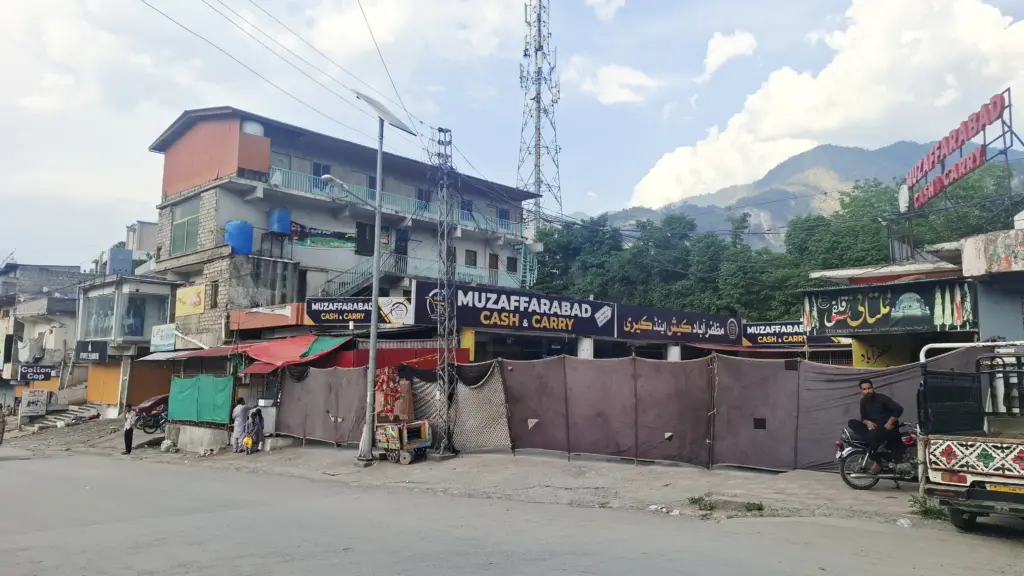
By June 8, commercial activity in Muzaffarabad had slowed dramatically. Markets closed, public transport services were suspended and residents largely remained indoors. The atmosphere grew noticeably quieter as many families temporarily returned to villages outside the city.
A Silent Capital Under Lockdown
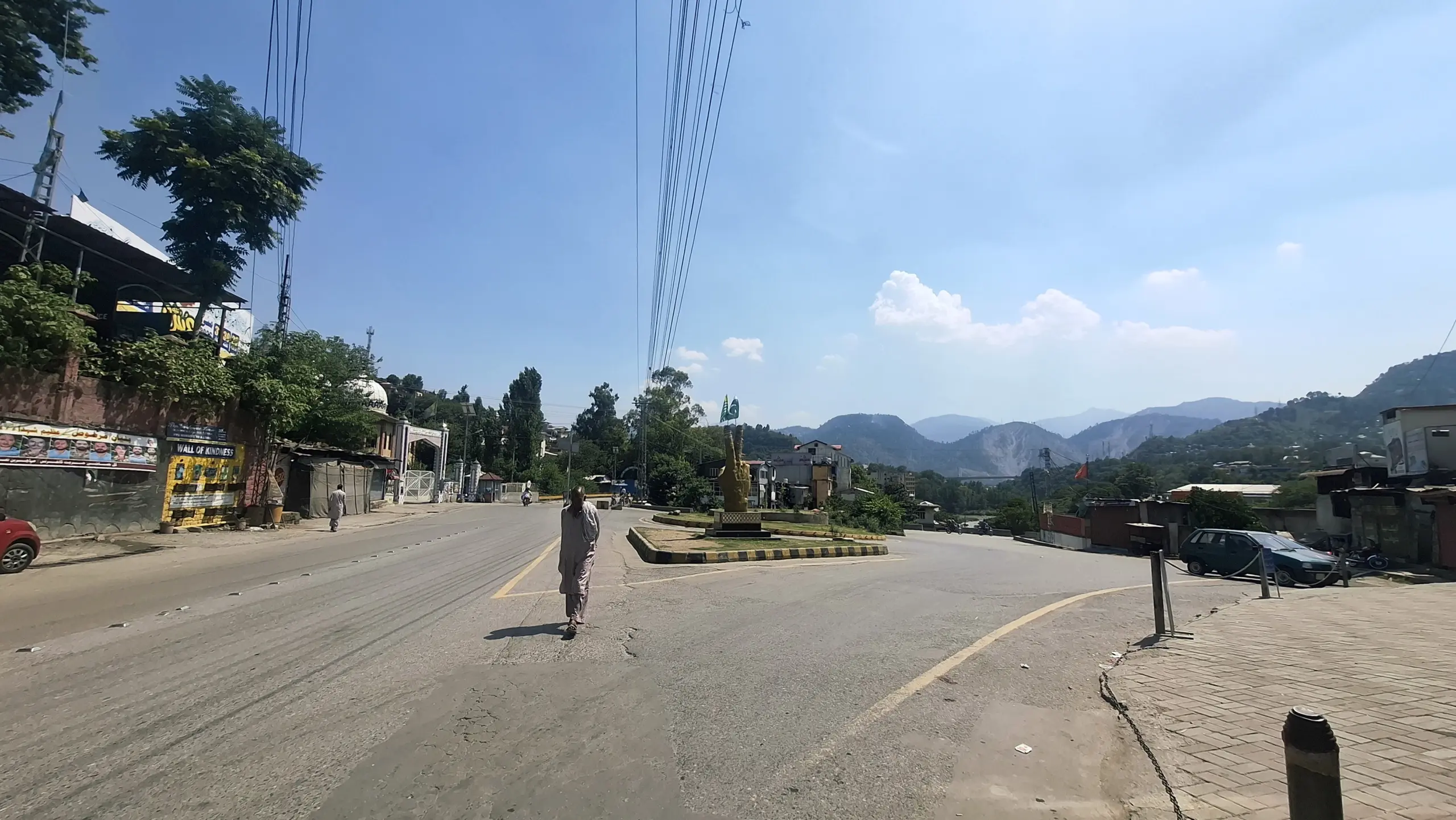
JAAC had called for a region-wide protest on June 9. Anticipating large gatherings, authorities maintained a significant security presence throughout major towns and cities. In Muzaffarabad, however, the most striking feature of the day was not crowds of protesters but the absence of ordinary life. Streets that are typically congested with traffic remained largely empty, while businesses and transport services stayed closed.
Throughout the shutdown, internet services remained suspended, severely disrupting communication, banking and commercial activity. Security personnel continued to patrol key roads and public spaces, while authorities announced rewards for information leading to several senior JAAC figures.
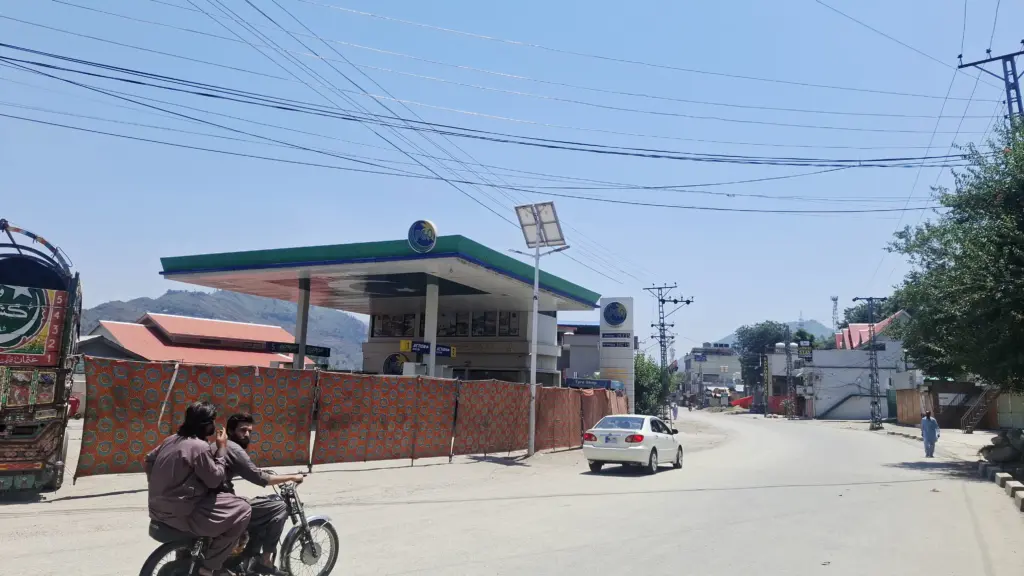
Although Muzaffarabad itself witnessed relatively limited street violence, reports from other districts, including Rawalakot and parts of Neelum Valley, indicated continuing confrontations between protesters and law enforcement personnel. In Rawalakot, an ongoing sit-in as of June 18 remains in place, with organizers signaling intentions for a long-distance march toward the capital of Muzaffarabad, while regional security forces maintain blockades along primary transit routes to prevent an advance.
Supply Chain Disruption and Administrative Measures
As the shutdown entered its second week, the economic consequences became increasingly visible. With internet services suspended and transport networks largely inactive, banking operations and commercial transactions faced significant disruption. Supply chains into the mountainous region were also affected, limiting the movement of goods and essential supplies.
In a press briefing issued on June 15, the Azad Kashmir Police said four law enforcement personnel had been killed and 89 injured during unrest that authorities linked to the banned JAAC. The statement said 81 criminal cases had been registered between June 6 and June 14, resulting in the arrest of 425 suspects, while weapons, ammunition and other equipment had been recovered during operations.
The police maintained that the overall law and order situation across most districts was satisfactory and urged residents to avoid unlawful gatherings and cooperate with authorities. JAAC leaders have rejected accusations that the movement was responsible for violence.
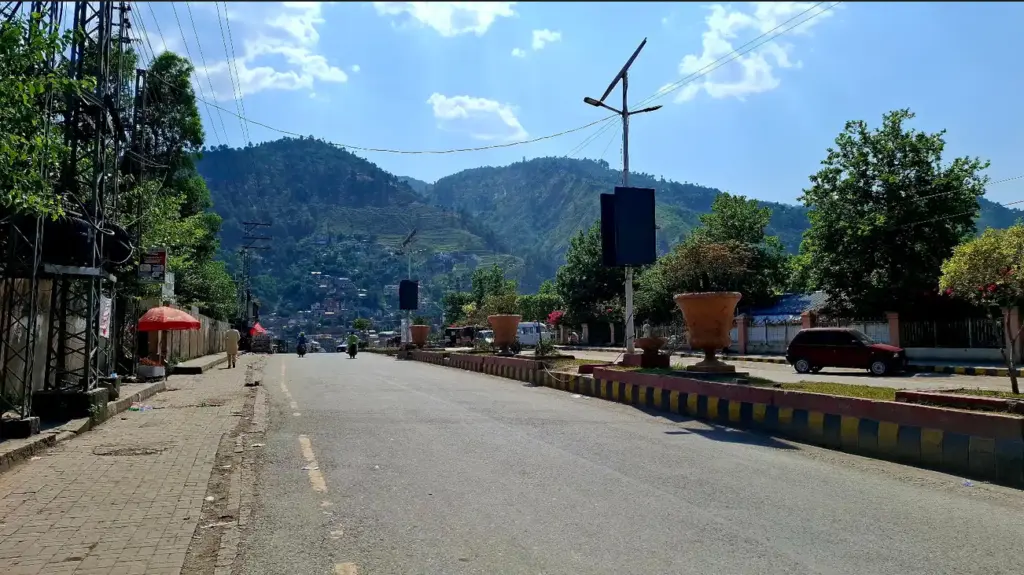
By June 17 and 18, hospital emergencies, a small number of pharmacies, vegetable sellers and neighbourhood shops had begun reopening in parts of Muzaffarabad. However, many traders reported difficulties obtaining fresh stock as transport routes remained unreliable and wholesale supply chains continued to face disruption.
Evolution of the Regional Standoff
The political deadlock also showed little sign of resolution. While leaders of major political parties, including the Pakistan Peoples Party and Pakistan Muslim League-Nawaz, publicly called for dialogue and a return to normalcy, no formal negotiations between authorities and JAAC had been announced by June 18.
The current crisis represents the most serious challenge yet involving JAAC, a movement that emerged in 2023 through the merger of several groups. Many of its early demands centred on everyday economic grievances. Following large-scale protests and shutdowns in previous years, authorities accepted some of JAAC’s key demands, including subsidised electricity and wheat provisions that continue to benefit residents across the territory.
Over time, however, the movement expanded its agenda to include broader governance reforms, including reductions in government expenditure, limits on official privileges, infrastructure improvements and changes to administrative structures. Its demand concerning the refugee seats has emerged as the most politically sensitive and legally complex issue.
As the standoff continues, ordinary residents remain caught between competing positions. For many people across Pakistan-administered Kashmir, the most immediate reality is not the constitutional dispute or the political confrontation, but the disruption of daily life in a region where markets, transport systems, communications and public services have remained under unprecedented strain for days.
Sources: Mohsin Rasheed – own Reportage for Pester Lloyd
Photos: Mohsin Rasheed for Pester Lloyd, Titlepicture: An elderly resident walks down an empty central roadway in Muzaffarabad during midday heat, amid a region-wide commercial shutdown and traffic suspension.
Quality Journalism is hard work. Journalists around the world face grave obstacles and threats to their autonomy and even their lifes. If you enjoyed this first-hand reportage of Pester Lloyd, please consider donating to us – your support keeps us free from paywalls.
Support Pester Lloyd
Unser monatlicher Nachrichtenspiegel: die wichtigsten Meldungen aus Ungarn und Mitteleuropa, einmal im Monat per E-Mail. Kostenlos, kein Spam, jederzeit abbestellbar.
Nachrichtenspiegel kostenlos abonnieren
Neu · Jeden Freitag als PDF
Der Pester Lloyd als Wochenzeitung – wie früher am Kiosk, nur digital
Ausgabe 12.–18. Oktober 2026, 17 Seiten im großen Zeitungsformat. Darin unter anderem:
• Schachecke: Evergreen, Joghurt, Zeitnot: Gewinnzüge im Detail• Polyák an der Schaltstelle – Was sich in Ungarns Medienaufsicht ändert
Zeitung ansehen – 2,50 €In eigener Sache – Ihr Kauf unterstützt unabhängigen Journalismus ohne Paywall.